
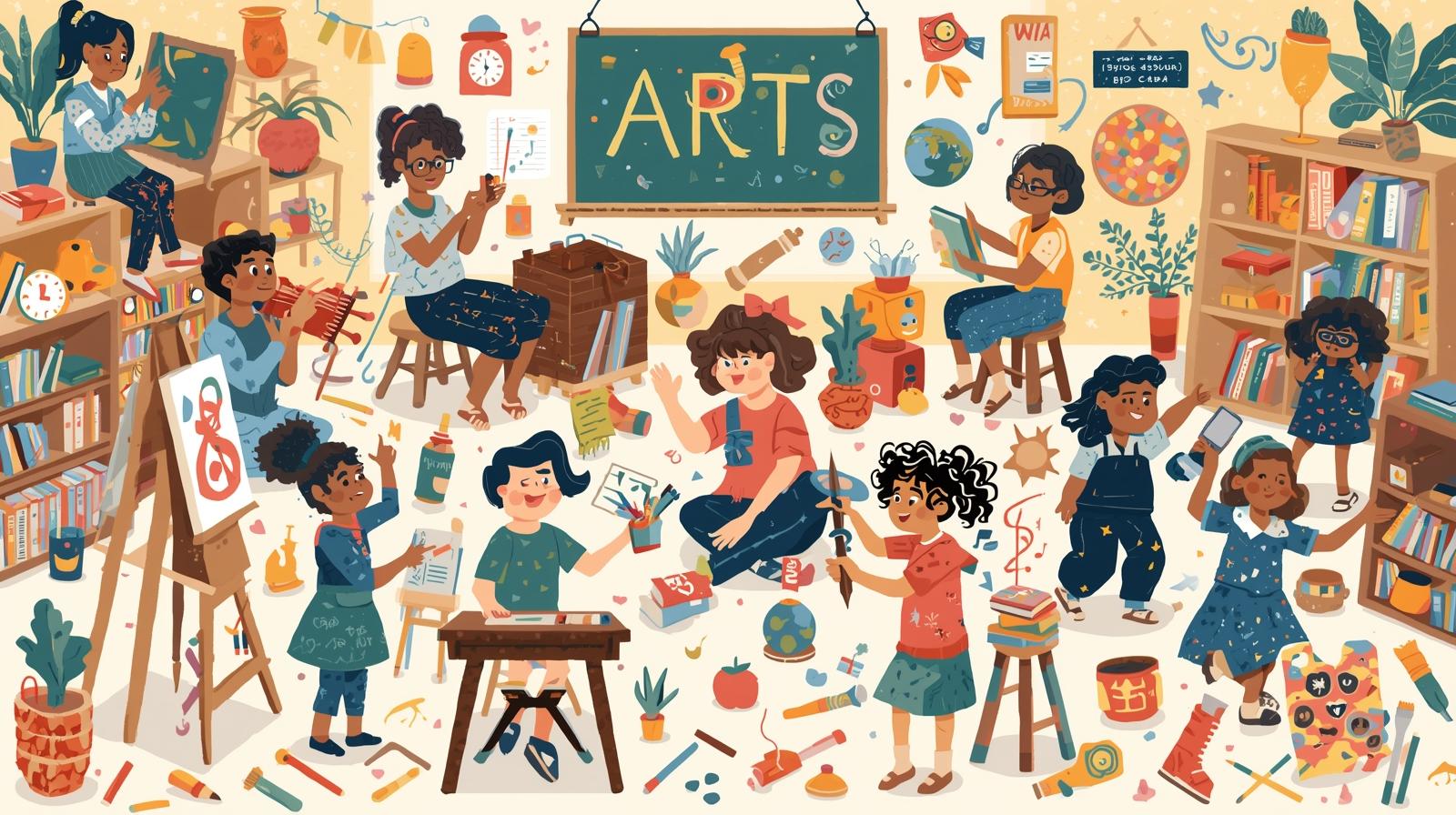
Education is often viewed through the lens of academic performance, test scores, and mastery of core subjects like mathematics, science, and language. While these disciplines are undeniably important, the inclusion of arts and creativity in the education system plays an equally vital role in the holistic growth of students. Arts—encompassing music, theater, visual arts, dance, and creative writing—nurture a different set of skills and qualities that are essential for balanced student development.
Enhancing Cognitive Skills Through Arts
Arts education strengthens cognitive abilities by stimulating different areas of the brain. Engaging in activities such as painting, playing an instrument, or writing a poem challenges students to think critically and solve problems creatively. For example, learning music has been shown to improve memory, mathematical reasoning, and language acquisition. By blending logic and creativity, the arts encourage students to approach learning with an open and flexible mindset.
Fostering Emotional Intelligence and Expression
Education should not only focus on intellectual development but also on emotional growth. Through the arts, students learn to understand and express complex emotions in healthy ways. Whether through acting in a play, dancing, or drawing, creative expression provides an outlet for stress, frustration, and even joy. This emotional literacy helps students develop empathy, resilience, and stronger interpersonal relationships, which are crucial skills for personal and professional success.
Encouraging Innovation and Imagination
Creativity fuels innovation, a skill increasingly valued in today’s rapidly evolving job market. Arts education empowers students to think outside the box, experiment, and take risks without fear of failure. By fostering imagination, schools prepare learners to tackle real-world challenges with inventive solutions. Employers across industries recognize creativity as a core competency, further emphasizing its importance in a comprehensive educational experience.
Building Confidence and Communication Skills
Participation in creative activities builds self-confidence and sharpens communication skills. A student who performs on stage or presents an art project gains experience in public speaking and self-expression. These opportunities teach students how to articulate their ideas clearly, engage with an audience, and handle constructive criticism. Over time, these experiences contribute to stronger leadership abilities and self-assured personalities.
Cultural Awareness and Appreciation
Arts education also promotes cultural awareness by exposing students to diverse traditions, histories, and artistic practices. Through music, dance, and visual arts from around the world, students gain a deeper appreciation for cultural diversity. This fosters respect and tolerance, preparing students to thrive in a multicultural and interconnected world. By understanding global artistic traditions, students learn to celebrate differences and embrace inclusivity.
Supporting Academic Achievement
Contrary to the misconception that arts distract from academic performance, research shows that students engaged in arts education often perform better in traditional subjects. The discipline required to master an instrument or rehearse for a performance translates into improved concentration and perseverance in academics. According to studies highlighted by Americans for the Arts, students involved in arts programs are more likely to have higher grades, better attendance, and stronger problem-solving skills.
Creating Well-Rounded Global Citizens
A balanced education that incorporates arts and creativity produces well-rounded individuals. Students develop not only intellectual capacity but also emotional resilience, cultural sensitivity, and innovative thinking. These qualities are necessary to navigate the complexities of the modern world. Arts education encourages learners to become compassionate, adaptable, and socially responsible citizens who contribute meaningfully to their communities.
Conclusion
The importance of arts and creativity in education cannot be overstated. They play a fundamental role in shaping balanced, confident, and innovative individuals. By integrating arts into school curricula, educators ensure that students are not only equipped with academic knowledge but also with the emotional, cultural, and creative skills needed for lifelong success. A truly holistic education system recognizes that nurturing creativity is as important as cultivating logic, making the arts a cornerstone of student development.

Leave a Reply